What should you do if you have to leave your home before moving into the new one?
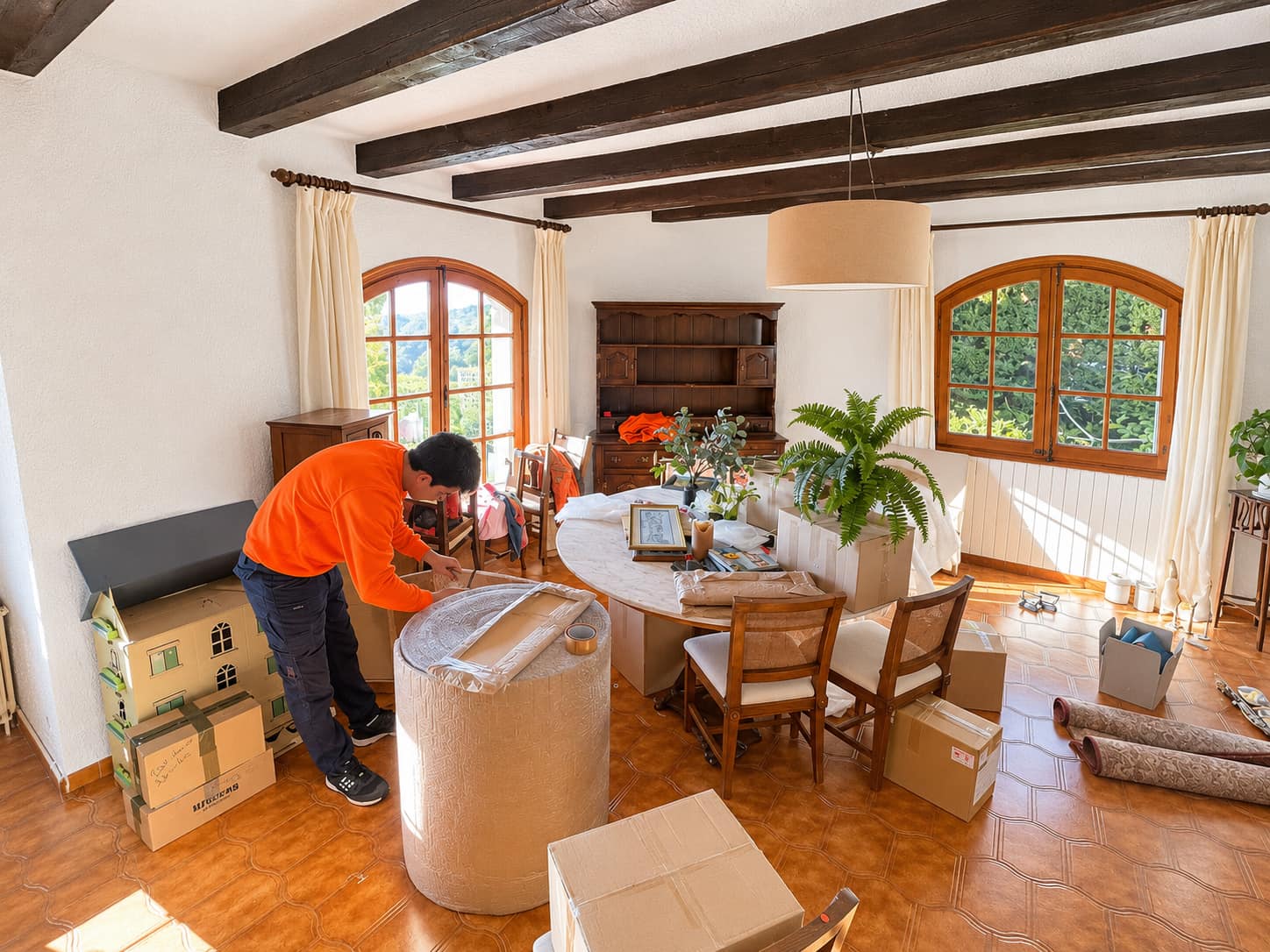
It is not always possible to move directly from one home to another. You may need to hand over the keys before receiving those for your new home, a renovation may be delayed, or the dates of your two agreements may not match.
If you have to leave your current home before moving into the new one, you can negotiate a few extra days, move some of your belongings or arrange temporary storage. If you need to store all your furniture, you can also combine your move with a storage unit and arrange for delivery once you have the keys. Before deciding, check the dates, how much you need to store and the terms of each option.
What should you do if your move-out and move-in dates do not match?
If you have to leave your home before moving into the new one, there are three alternatives to consider:
- Negotiate a later move-out date: agree on a few extra days in your current home, if the terms allow it.
- Move your furniture in stages: use any early access to the new property to move essential items first.
- Store your furniture temporarily: use a storage space until you can complete the move.
Before deciding, confirm when you need to hand over the keys to your current home and when you can access the new one. If building work or delays are involved, allow for possible changes and review the terms of your agreement.
If you also need somewhere temporary to stay, you could turn to family, friends or short-term accommodation. Arrange this separately from furniture storage.
Where can you store furniture if you cannot move into your new home yet?
If you cannot enter your new home yet, you can store furniture in a space you already have, ask someone you trust to look after a few belongings, or rent a storage unit temporarily. The best option will depend on how much you need to store and the conditions of the space.
If you only have a few boxes or small items, a spare room or space provided by a relative may be enough, provided it is clean, dry and secure. For large furniture, appliances or the contents of an entire home, you will need to check that the available space has sufficient capacity.
If you do not have a suitable space or need to keep all your belongings together, renting a storage unit is an option. You can also arrange a moving and storage service that coordinates collection, storage and subsequent delivery. Before deciding, consider the volume of your belongings, how long you will need storage and whether you will need access to them.
What size storage unit do you need for your furniture?
Small storage units of 1–2 m² may be enough for a few boxes or items. If you need to store furniture from a home, our size guide covers spaces of 6–8 m² and larger, depending on the volume and how you arrange your belongings.
Before choosing, make an inventory of your furniture, appliances and boxes. The capacity you need depends on their actual volume and how you can arrange them.
You can consult our guide to choosing the ideal storage unit size for an overview of capacities and suggested uses.
What if you still do not know when you can move into your new home?
If you do not yet know when you can move into your new home, arrange storage without relying on a handover date that may change. Keep the items you will need during the waiting period separate and avoid booking the final move too early.
Before choosing where to store your furniture, check how long you can use the space, whether you can extend the period and whether you can retrieve individual belongings. If you need a storage unit, check the applicable terms before renting it.
For example, if you must hand over your keys on 1 June but cannot move into the new property until the 20th, you could arrange for your furniture to be collected, stored during that period and delivered once you have access. This is only an illustrative example: dates and conditions are agreed on a case-by-case basis.
Which option suits your situation best?
Not every situation calls for the same solution. This table can help you compare the options before deciding.
| Your situation | Option to consider | What to check |
| You have a few boxes and suitable space available | Your own space or space offered by someone you trust | Space required and access conditions |
| You have no space for your furniture | Rented storage unit | Capacity, cost and accessibility |
| You do not know your move-in date | Storage with an extendable rental period | Extension terms |
| You can already access part of the new home | Moving in stages | Which pieces of furniture can be moved first |
| You have no vehicle or means of moving large furniture | Professional transport | Collection, handling and delivery |
| You must leave your home but cannot move into the new one yet | Combined moving and storage service | Collection, temporary storage and subsequent delivery |
What should you prepare before leaving your home?
Once you have decided on your accommodation and storage arrangements, divide your belongings into two groups: what you will need during the transition and what can stay in storage until the final move.
What to take with you
Pack a suitcase or a few boxes with the essentials for those days:
- Clothes and shoes.
- Personal documents and housing paperwork.
- Medication and toiletries.
- Computers, mobile phones and chargers.
- Items you need for work or your daily routine.
- Essential items for children or pets, where applicable.
What to prepare for storage
Before moving your furniture and boxes:
- Dismantle any furniture you can to make better use of the space.
- Protect corners, surfaces and delicate objects.
- Label boxes according to their contents and destination room.
- Check that furniture and appliances are clean and dry.
- Avoid overloading boxes and take extra care to protect fragile items.
If you need advice on the most suitable materials, read our article on types of moving boxes and how to use them.
What mistakes should you avoid when moving dates do not match?
Pay particular attention to these three mistakes, which can cause avoidable costs or delays:
- Booking transport without confirming when you can hand over and receive the keys.
- Storing furniture without first measuring the bulkiest pieces or planning how to access them.
- Failing to arrange alternative accommodation in case the handover of your new home is delayed again.
What if you need help moving and storing your furniture?
If you have to leave your home before you can move into the new one, you can arrange transport and storage separately or coordinate both through the same company.
Metrecubic combines removal and storage services at its facilities in Sabadell, Girona and Empuriabrava. It can coordinate furniture collection, temporary storage and subsequent delivery to your new home, so you do not need to organise each stage of the move separately.
If you need your furniture collected, stored temporarily and delivered when you can move into your new home, explore our moving and storage service. The combined service is intended for storage needs lasting more than 15 days; check the quote and the terms that apply to your move. You can also explore our storage unit rental centres in Sabadell, Girona and Empuriabrava.
Frequently asked questions
What should I do if I have to hand over the keys but do not have another home available yet?
Check the handover date and whether you can agree to leave later. If that is not possible, arrange temporary accommodation and separate your essentials from the furniture that needs to go into storage.
Where can I live while waiting to move into my new home?
You can temporarily stay with family or friends or look for short-term accommodation. If you do not have a confirmed move-in date, check whether you can extend your stay and make separate arrangements for storing your furniture.
Can I store furniture for just a few days?
Yes. For a few boxes or small pieces of furniture, a suitable space of your own or one offered by someone you trust may be enough. If you do not have that option or need to store bulky furniture, consider a storage unit and check the rental terms for the period you need.
Can I leave a rented flat before moving into my new home?
It depends on your tenancy agreement and the applicable law. Under Article 11 of Spain’s Urban Leases Act, tenants of a habitual residence covered by that provision may withdraw from the tenancy after at least six months, with a minimum of thirty days’ notice. Before notifying your landlord, review your tenancy terms and consult the current text of the law or seek specialist advice if you have any questions.
What if the move-in date for my new home keeps being delayed?
Ask for confirmation of the new dates and check whether you can extend the time your furniture stays in storage. Avoid scheduling the final move until you have a sufficiently reliable date, and keep the items you will need during the wait close at hand.